
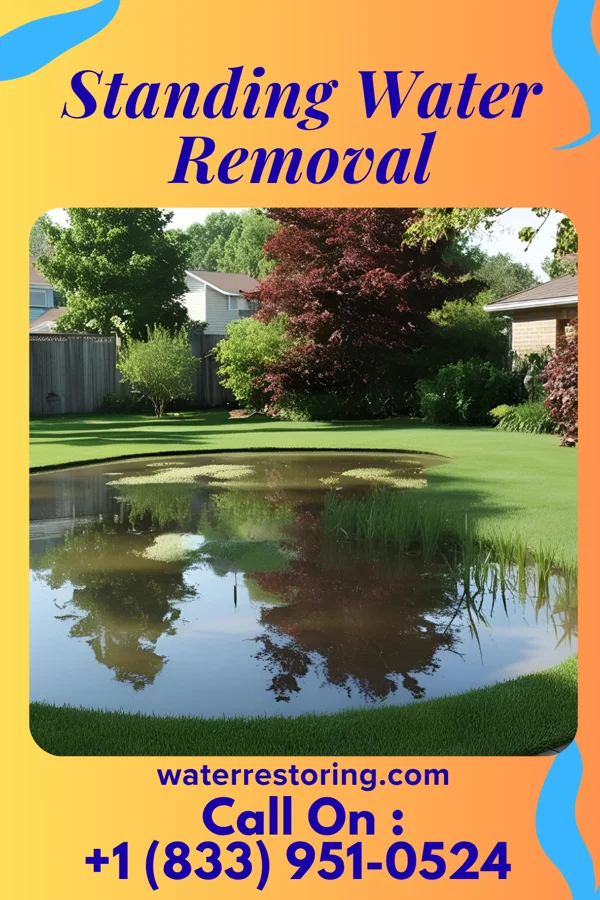
Common Standing Water Causes in Garden Grove
Most standing water removal calls in Garden Grove come from In Garden Grove, Iowa, water damage is often caused by agricultural runoff from nearby fields and occasional flooding due to the area's flat terrain and proximity to the Raccoon River. Heavy rainfall events can lead to standing water in residential areas, especially in low-lying neighborhoods.. A close second is Secondary causes include sewer backups from aging infrastructure and leaking septic systems common in rural areas. Additionally, ice dams on nearby farms can lead to water infiltration into nearby properties during winter months.. If you know what is about to happen, the decisions during the first 48 hours get a lot easier.
Garden Grove experiences a humid continental climate with significant precipitation in spring and summer, increasing the risk of water intrusion. The region's agricultural activity also contributes to soil saturation, which can lead to water pooling around homes.
Most standing water removal calls in Garden Grove come from In Garden Grove, Iowa, water damage is often caused by agricultural runoff from nearby fields and occasional flooding due to the area's flat terrain and proximity to the Raccoon River. Heavy rainfall events can lead to standing water in residential areas, especially in low-lying neighborhoods.. Running a close second is Secondary causes include sewer backups from aging infrastructure and leaking septic systems common in rural areas. Additionally, ice dams on nearby farms can lead to water infiltration into nearby properties during winter months.. Local mold risk: Mold growth in Garden Grove can occur quickly due to the high humidity and frequent rainfall, making prompt water damage response critical to prevent health hazards and structural damage.